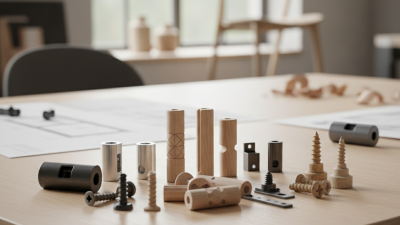
Why Choose Wood Screw for Your Next Project?
Choosing the right fastener can make or break a project. Renowned woodworking expert, James Carter, emphasizes, "A quality Wood Screw ensures a robust connection." This statement underscores the significance of selecting the appropriate fasteners for your needs.
Wood Screws are versatile and reliable, suitable for various applications. Their design offers superior grip and durability, making them a go-to choice for many craftsmen. However, not all Wood Screws are created equal. Selecting the wrong type can lead to stripped threads or weakening joints. Understanding the different screw types and their uses is vital.
Many people overlook the importance of material selection. Using the right Wood Screw can enhance structural integrity and longevity. It’s crucial to assess your project’s unique requirements. This thoughtful approach can lead to rewarding outcomes and fewer regrets. In the world of woodworking, informed choices matter.
Benefits of Using Wood Screws in Construction Projects
Wood screws offer unique advantages in construction projects. Their design allows for better grip in wooden materials, creating sturdy and reliable connections. These screws often feature sharp tips that penetrate wood easily, reducing the need for pre-drilling. This can save valuable time on the job site. They can handle various loads and stresses, making them suitable for different applications.
Tips for selecting wood screws:
Choose screws with corrosion-resistant coatings for outdoor projects. This prolongs their life. When working on heavy-duty tasks, opt for longer screws for added holding power. Proper screw length is crucial, as it affects stability and structural integrity. Make sure to consider the type of wood when selecting screws, as different woods may require specific screw types.
Wood screws can be less forgiving than other fasteners. They may strip the wood if over-tightened. For best results, use a torque limiter or a driver with adjustable settings. Consider pilot holes, as they help prevent wood splitting. Always test a few screws before starting your main project to ensure you're happy with the results. The right choice of wood screws can make a significant difference in your project’s success.
Types of Wood Screws and Their Applications
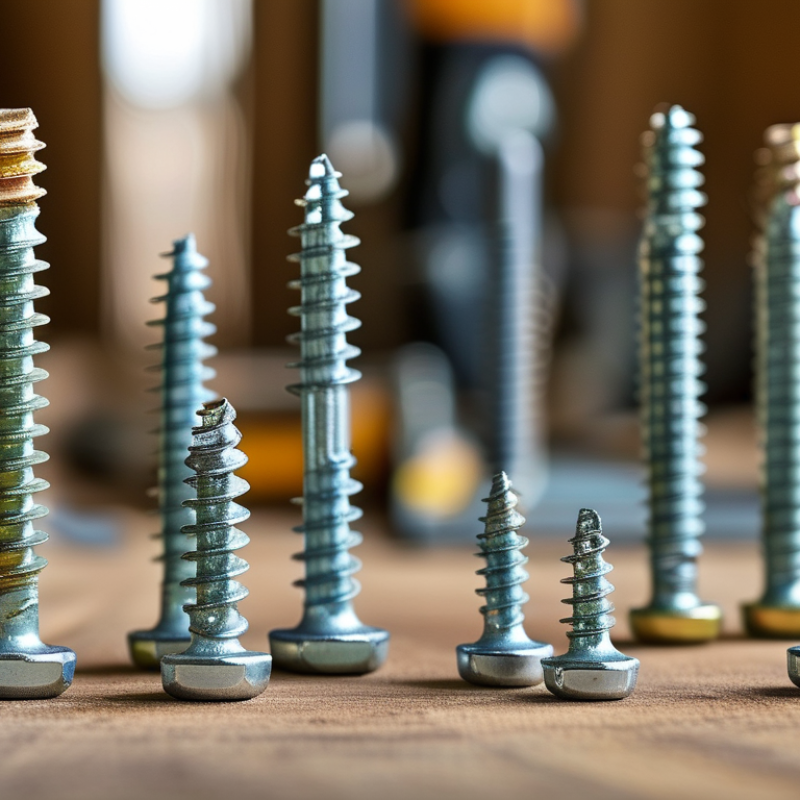
When selecting wood screws, understanding their types and applications is crucial. Common types of wood screws include flat head, round head, and oval head. Each has unique characteristics suited for different tasks. Flat head screws provide a flush finish, making them ideal for projects requiring a seamless look. Round head screws, on the other hand, are great for applications where a protruding head is acceptable.
Wood screws also vary in thread type; coarse threads grip softwood effectively, while fine threads are better for hardwood. For instance, using a coarse-threaded screw can prevent splitting in softer materials. As for the length, choosing an appropriate size is essential. A screw that's too long may compromise structural integrity. In contrast, a too-short screw might not provide enough hold.
Consider the specific requirements of your project. If you often work with different wood types, investing time in understanding these factors can pay off. Some screws may not hold as expected due to improper selection. Reflecting on past experiences can guide you in choosing the right screws. This understanding helps create durable and reliable constructions.
How to Select the Right Wood Screw for Your Project
Choosing the right wood screw is crucial for your project’s success. Different applications require different screw types. For instance, if you are working with softwoods like pine, a coarse-thread screw is effective. Conversely, hardwoods like oak benefit from fine-thread screws, as they grip better.
Pay attention to screw length. A common guideline is to drive screws at least two-thirds into the bottom piece of wood. A report from the Journal of Wood Science illustrates that improper screw length can reduce holding power by up to 40%. Selecting the correct diameter is equally important. Screws that are too thick can split the wood, while screws that are too thin may loosen over time.
Material also plays a role in screw selection. Stainless steel screws resist corrosion better than their carbon counterparts. However, they are often more expensive. The American National Standards Institute recommends selecting materials based on environmental exposure. Reflect on your project conditions to choose wisely. Each choice influences the long-term durability and performance of your build.
Best Practices for Installing Wood Screws
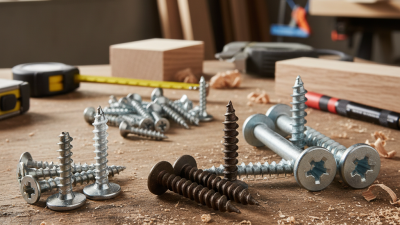
When installing wood screws, proper technique is essential for a strong and lasting hold. Start by choosing the right size and type of screw for your project. A screw that is too long can damage your wood, while one that is too short may not provide adequate support. Pre-drilling is often necessary. This helps prevent the wood from splitting and creates a cleaner entry point for the screw. Use a drill bit that matches the screw’s core diameter, not the head.
Ensure your screws are driven straight. This can be tricky, especially in hardwoods. If the screw is angled, it may not grip as intended. Moreover, it can lead to weaker joints. If you notice the screw doesn’t bite well, back it out and try again. Sometimes, a little wax on the screw threads can improve ease of driving.
Consider the depth of the screw as well. It should go into the base material enough to provide strength but not so deep that it compromises the integrity of the surface. If you find yourself over-tightening the screws, stop. Excessive force can strip the threads and ruin both the screw and the material. Experience teaches us the power of patience and precision. Small adjustments often lead to better results.
Common Mistakes to Avoid When Using Wood Screws
When using wood screws, several common mistakes can hinder your project. One frequent error is not pre-drilling holes. This can lead to wood splitting, especially in harder types. Using the right drill bit size is crucial. A bit that’s too small can create undue stress, while one that’s too large won’t provide a secure fit.
Another mistake is choosing the wrong screw length. If screws are too short, they won’t hold effectively. Conversely, if they’re too long, they may poke out of the other side, damaging the surface. Always measure the thickness of the material you’re working with to ensure the correct length.
Tips: Pay attention to the screw material as well. For outdoor projects, use screws designed to resist corrosion. Proper torque is also essential – overtightening can strip the wood or the screw head.
Make sure to keep a variety of screws on hand. This can save time and frustration during assembly. These minor adjustments can lead to a smoother, more professional finish in woodworking projects.