Top Types of Stainless Bolts for Your Project Needs?
When considering the right materials for a project, stainless bolts often emerge as a top choice. Stainless bolts offer remarkable strength and durability. They resist corrosion, making them ideal for a variety of environments. Whether you’re working on a construction site or a DIY project, understanding different types of stainless bolts is crucial.
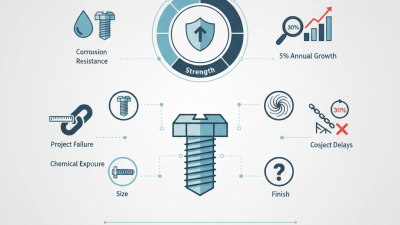
There are several categories to explore. You might encounter different grades, sizes, and finishes. Each type serves specific functions. Not all stainless bolts are created equal. Some are better suited for marine applications, while others excel in high-stress environments. Selecting the right type can make or break your project. Missteps in choosing the wrong stainless bolt can lead to failures and costly repairs.
Pay attention to details like load capacity and environmental factors. The decision can seem overwhelming at first. It’s essential to reflect on your project requirements carefully. Identifying the right stainless bolt involves weighing various options. This guide will delve into some of the best types available for your project needs. Remember, the right choice is essential for success.

Types of Stainless Steel Alloys Commonly Used in Bolts
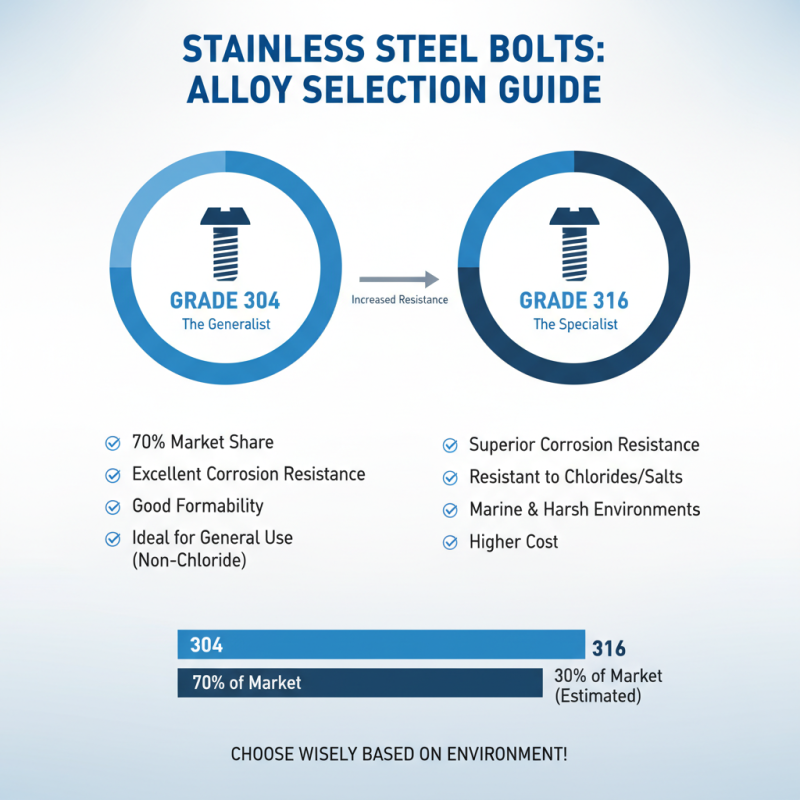
When selecting stainless bolts for a project, understanding the types of stainless steel alloys is crucial. The most common grades are 304 and 316. Grade 304 is widely used due to its excellent corrosion resistance and formability. It performs well in most environments, except those with chlorine. According to industry reports, 304 makes up about 70% of the market for stainless bolts.
On the other hand, 316 is known for its superior resistance to pitting and crevice corrosion. It contains molybdenum, which enhances its performance in marine and chloride-rich environments. Studies indicate that 316 grades are preferred for applications exposed to harsh conditions, representing about 20% of the stainless bolt market.
Other lesser-known grades, like 410 and 430, may sometimes be overlooked. They offer unique advantages in specific applications but lack the corrosion resistance of the former grades. Users often need to weigh the cost and performance balance. While 304 and 316 bolts dominate, exploring alternatives could lead to valuable insights for your project. Choosing the right grade requires understanding the environment and intended use thoroughly.
Properties and Benefits of AISI 304 and AISI 316 Stainless Bolts
When selecting stainless bolts for your projects, AISI 304 and AISI 316 are often top choices. AISI 304 bolts provide excellent corrosion resistance and are cost-effective. They work well in environments with mild exposure to humidity and some chemicals. However, they might not hold up in more severe conditions.
AISI 316 bolts are the go-to option for harsher environments. They contain molybdenum, enhancing their resistance to chlorides and pitting. This makes them ideal for marine applications or chemical processing industries. Yet, their higher cost might deter some buyers.
Both types have strengths and weaknesses. AISI 304 bolts may rust in salty or acidic settings. AISI 316, while durable, might be overkill for simple tasks. Understanding your project's unique requirements is key. Rushing into a decision could lead to failures, costing more in the long run. Choose wisely, and think it through.
Top Types of Stainless Bolts for Your Project Needs
| Stainless Bolt Type |
Properties |
Benefits |
| AISI 304 |
Good corrosion resistance, excellent weldability, non-magnetic |
Versatile; suitable for a range of environments; economical choice |
| AISI 316 |
Superior corrosion resistance, especially to chlorides, better strength than 304 |
Ideal for marine and acidic environments; enhanced durability |
| AISI 410 |
Magnetic, moderate corrosion resistance, can be heat treated |
Useful in applications requiring hardness; cost-effective |
| AISI 2205 |
Duplex stainless steel, high strength, excellent resistance to stress corrosion cracking |
Reduces need for heavy wall thickness; ideal for high-pressure applications |
Comparative Performance of Corrosion-Resistant Bolts in Various Environments
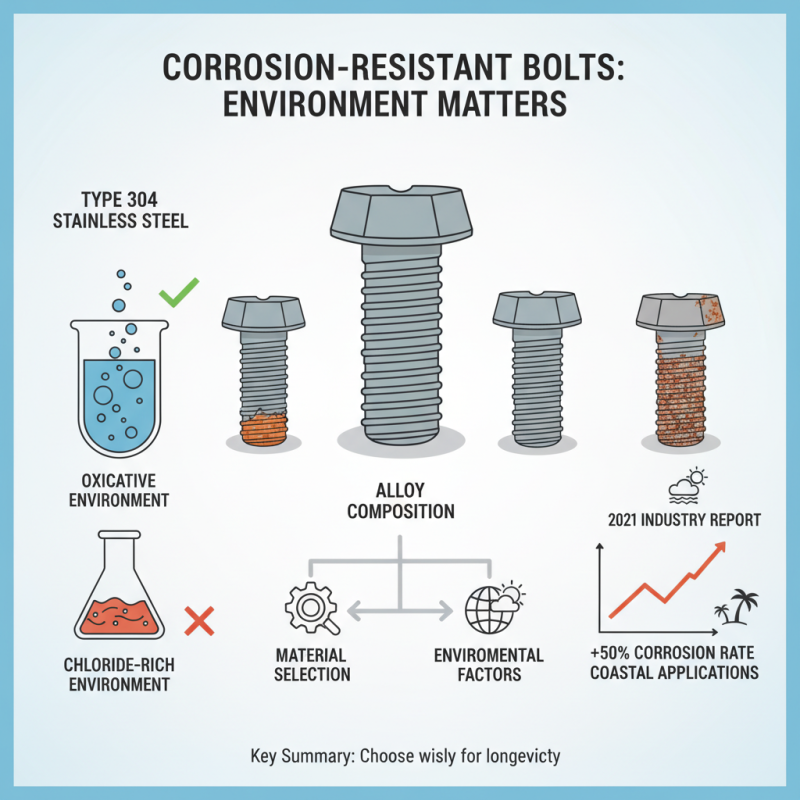
When selecting corrosion-resistant bolts, understanding their performance in diverse environments is crucial. Studies show that stainless steel bolts exhibit varying resistance to corrosion depending on the alloy composition and environmental factors. For example, Type 304 stainless steel demonstrates excellent resistance to oxidative environments but struggles in chloride-rich settings. A 2021 industry report noted that corrosion rates can increase by up to 50% in coastal applications.
In harsher conditions, such as marine environments, Type 316 stainless steel is preferred. Its molybdenum content enhances resistance against saltwater corrosion. However, even 316 bolts can suffer from crevice corrosion if not installed properly. A report from the Corrosion Engineering Association indicated that maintaining good bolt tension is vital in these scenarios. Poor installation practices often lead to premature failures.
Despite these advances, the performance of stainless bolts is not flawless. Factors like microclimates and contaminants can accelerate corrosion. Real-world assessments often reveal discrepancies between laboratory tests and actual performance. Understanding these limitations is essential for project managers. It might be wise to review installation techniques and environmental conditions regularly to ensure longevity and reliability.
Factors to Consider When Selecting Stainless Bolts for Specific Projects
When selecting stainless bolts for various projects, several key factors come into play. Material composition is crucial to ensure corrosion resistance. Bolts made from 304 or 316 stainless steel are common choices. Each grade offers different resistance levels to rust and chemicals. Consider the environment where the bolts will be used. High humidity or exposure to saltwater demands superior durability.
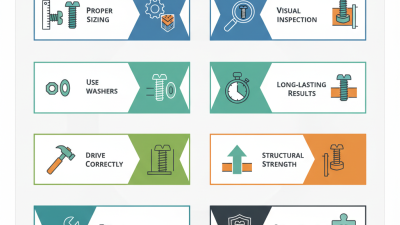
Another important factor is the bolt size and thread type. Standard sizes may not fit every application. An exact match ensures optimal performance. If the project involves heavy loads, consider using larger bolts. They provide greater strength and stability. The finish on the bolts also matters. A polished surface can enhance corrosion resistance, while a matte finish may blend better with certain materials.
Bear in mind the installation process. Some bolts require specific tools or skills for proper tightening. Misalignment can lead to failures, which is a concern in critical projects. A thorough assessment before purchase may prevent future headaches. Always consider the project needs carefully, as overlooking small details can lead to larger issues down the line. Testing the fit and function of bolts in advance could save time and resources.
Top Types of Stainless Bolts for Your Project Needs
Industry Standards and Certifications for Stainless Steel Bolt Quality
When selecting stainless bolts for your project, understanding industry standards is crucial. These standards ensure that the bolts will perform effectively under various conditions. Most stainless steel bolts fall under ASTM (American Society for Testing and Materials) specifications. These specifications guide the manufacturing process, ensuring quality and safety.
Certifications such as ISO 9001 can also play a significant role. This certification indicates that a manufacturer follows strict quality management practices. It helps ensure the final product meets specific performance criteria. Furthermore, not all stainless bolts are created equal; some may be more resistant to corrosion than others.
It’s important to review the mechanical properties of each type of bolt. Factors include tensile strength and hardness, which vary by grade. Often, buyers assume all bolts will offer the same durability. This can lead to poor choices for demanding applications. Without proper research, projects could face failures or delays.