Top 10 High Quality Carriage Bolts for Global Buyers?
In the competitive world of construction and manufacturing, the importance of high quality carriage bolts cannot be overstated. According to a recent market analysis by Grand View Research, the global fasteners market is projected to reach $106 billion by 2025, with a significant demand for durable and reliable fastening solutions. High quality carriage bolts play a crucial role in ensuring structural integrity across various applications, from furniture assembly to heavy machinery.
Selecting high quality carriage bolts involves more than just identifying a standard size. Factors like corrosion resistance, tensile strength, and material composition are critical. The wrong choice can lead to failures, impacting safety and leading to costly repairs. Research shows that over 30% of manufacturing defects are linked to inadequate fastening solutions. As global buyers assess their options, understanding the nuances of carriage bolt specifications becomes essential.
While many products claim to meet high-quality standards, actual performance varies greatly. Buyers must remain vigilant, as not all suppliers maintain consistent quality. This market landscape compels purchasers to prioritize verified suppliers with proven track records. Investing in high quality carriage bolts is not merely a choice; it’s a necessity for those committed to quality and safety in their projects.
Overview of Carriage Bolts: Definition and Applications
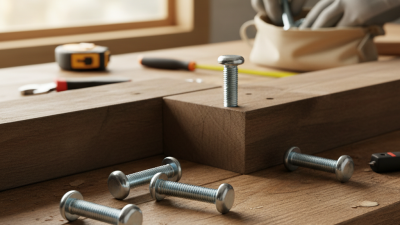
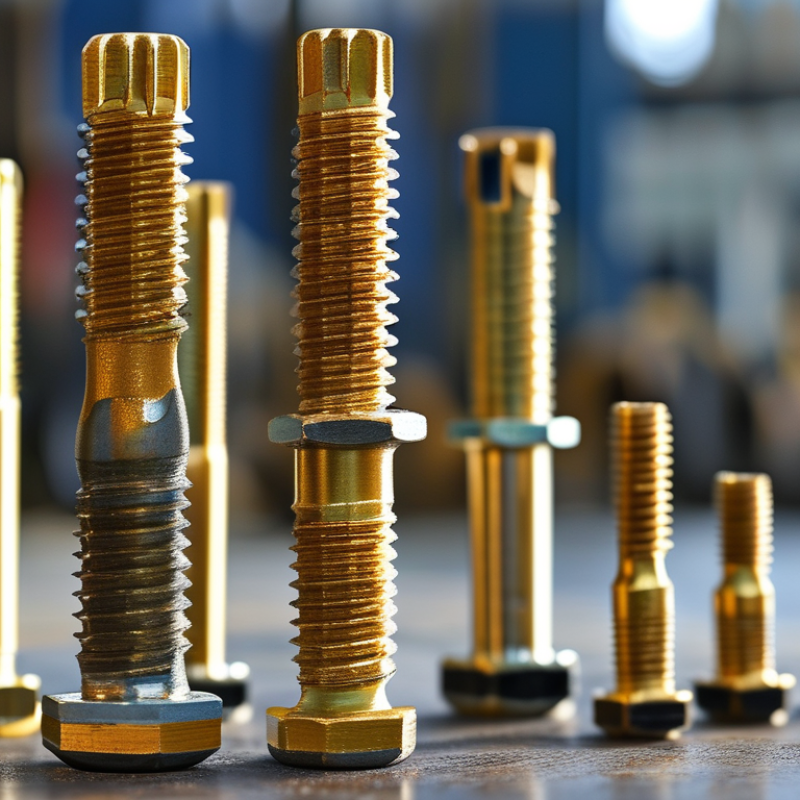
Carriage bolts are essential fasteners in construction and woodworking. They feature a smooth, rounded head and a square section beneath the head. This design prevents the bolt from turning once installed, offering stability. Carriage bolts are often used in applications where a flush finish is needed, making them ideal for connecting wooden components.
Their versatility is noteworthy. Carriage bolts can be found in furniture construction, decking, and fence building. They are also used in the automotive industry for securing parts. Despite their strength, they can sometimes be challenging to install without proper tools. A common issue arises when the bolt spins during tightening, which can be frustrating. It highlights the need for adequate preparation before starting a project.
While they are reliable, the quality of carriage bolts varies significantly. Buyers must consider material and coating. Zinc-plated options resist rust, while stainless steel variants offer durability. It’s essential to choose the right bolt for the specific application. Ensuring the proper length and diameter is crucial, as selecting the wrong size can compromise the integrity of the entire structure.
Factors to Consider When Choosing High Quality Carriage Bolts
When selecting high-quality carriage bolts, buyers need to consider several factors that impact performance and longevity.
Material quality is paramount. Carriage bolts made from high-grade steel exhibit superior strength and corrosion resistance.
Reports indicate that stainless steel bolts can withstand harsh environments, making them ideal for outdoor applications. Buyers should seek bolts that meet ANSI or ISO standards to ensure reliability.
The size and threading of carriage bolts also play a crucial role. Proper fitment is essential for load-bearing applications.
A study by the Industrial Fasteners Institute indicates that diameter and thread pitch directly impact the holding strength of the assembly.
Buyers should assess the intended use and select the appropriate dimensions accordingly.
Testing samples can reveal inconsistencies in manufacturing, highlighting the need for a careful selection process.
Weight and finish are additional features that often get overlooked. While a heavier bolt may suggest better quality, it’s the right finish that determines long-term performance.
Hot-dip galvanized finishes offer enhanced resistance to rust but can be more expensive.
Buyers may find it challenging to balance cost and quality, revealing the complexities of making informed decisions in this market.
Top 10 Brands of Carriage Bolts for Global Buyers
When it comes to carriage bolts, quality matters. Global buyers often face challenges in choosing the right brands. The market is flooded with options, but not all provide the same reliability. According to a recent industry report, innovative materials and manufacturing processes can significantly influence bolt durability and performance.
Several top brands excel in producing high-quality carriage bolts. They focus on corrosion resistance and tensile strength. Testing data shows that bolts made from stainless steel or hot-dipped galvanized finishes exhibit superior performance in outdoor applications. These materials resist rust and wear, prolonging the lifespan of installations. Many users overlook these factors, leading to premature failures.
However, the purchasing process isn't perfect. Some brands claim high-quality standards yet fail to deliver consistent results. Industry experts recommend sourcing bolts from manufacturers with ISO certifications. This ensures adherence to global standards for quality and safety. Additionally, it's vital to verify the specifications and reviews before making a purchase. Without careful consideration, buyers may end up with subpar products that can compromise structural integrity.
Top 10 High Quality Carriage Bolts for Global Buyers
Comparative Analysis of Material Quality in Carriage Bolts
When choosing carriage bolts, material quality is vital. Steel, stainless steel, and brass are popular options. Steel offers strength and durability. However, it can rust without a protective coating. Stainless steel resists corrosion but may be less malleable. Brass is resistant to rust but not as strong as steel.
In a comparative analysis, consider the intended application. Heavy-duty projects benefit from high-carbon steel bolts. For outdoor use, stainless steel’s corrosion resistance makes it ideal. The choice of material affects longevity and performance.
Tips: Always inspect the surface for uniformity. Any rust or wear could indicate poor quality. Moreover, ensure you have the right grade for your project to avoid failures. Choosing the wrong material can lead to safety hazards.
Top 10 High Quality Carriage Bolts for Global Buyers - Comparative Analysis of Material Quality in Carriage Bolts
| Bolt Size (Diameter x Length) |
Material |
Finish Type |
Tensile Strength (psi) |
Corrosion Resistance |
Price per Unit ($) |
| 1/4" x 3" |
Carbon Steel |
Zinc Coated |
60,000 |
Moderate |
0.15 |
| 5/16" x 4" |
Stainless Steel |
Plain |
70,000 |
Excellent |
0.30 |
| 3/8" x 5" |
Alloy Steel |
Hot Dip Galvanized |
90,000 |
High |
0.45 |
| 1/2" x 6" |
Low Carbon Steel |
Black Oxide |
55,000 |
Low |
0.25 |
| 3/4" x 8" |
Stainless Steel |
Passivated |
100,000 |
Excellent |
0.70 |
| 1" x 10" |
Alloy Steel |
Zinc Plated |
80,000 |
Moderate |
0.90 |
| 5/16" x 6" |
Carbon Steel |
Bright Finish |
60,000 |
Low |
0.20 |
| 7/16" x 4" |
Stainless Steel |
Polished |
85,000 |
Excellent |
0.60 |
| 1/4" x 2" |
Alloy Steel |
Electrophoretic Coated |
75,000 |
High |
0.10 |
| 3/8" x 3" |
Carbon Steel |
Plated |
65,000 |
Moderate |
0.25 |
Maintenance Tips for Ensuring Longevity of Carriage Bolts
Carriage bolts, known for their unique design, require proper maintenance to ensure longevity. One key aspect is regular inspection. Examine the bolts for rust or corrosion. Environmental factors can accelerate wear. If you notice any damage, replace them promptly. This simple step prevents bigger issues over time.
Lubrication is crucial. Use a suitable oil to keep the bolts functioning smoothly. Apply it at least once a year. A well-lubricated bolt reduces friction and enables easier adjustments. However, be cautious not to over-lubricate. Excess oil can attract dirt, causing more problems.
Storage is often overlooked. Keep carriage bolts in a dry, cool place. Moist environments can lead to rust, even with high-quality materials. Packaging them in anti-corrosion bags can be beneficial. Reflecting on these practices can lead to better maintenance habits and extended product lifespan.