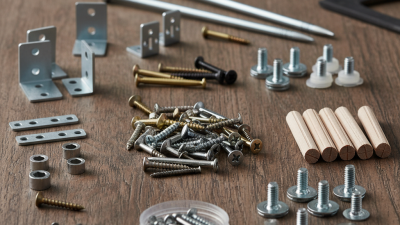
What is a Furniture Screw and How to Choose the Right One?
When it comes to assembling furniture, the choice of a Furniture Screw can significantly impact the final result. According to Dr. Emily Carter, a leading expert in furniture construction, "The right screw can make or break your furniture’s stability." Selecting an appropriate Furniture Screw can seem straightforward, but it involves numerous considerations.
Different types of Furniture Screws have unique strengths and applications. Factors like material, length, and thread count can determine compatibility with various fixtures. A misstep in selection may lead to loose joints or damaged materials, potentially undermining the entire piece. Understanding the nuances of these screws is crucial for both DIY enthusiasts and professional craftsmen.
Many overlook the significance of the correct Furniture Screw. A common mistake is using screws that are either too long or too short, which risks structural integrity. It's vital to assess your furniture needs carefully. Choosing wisely will ensure durability, safety, and satisfaction with your final project.
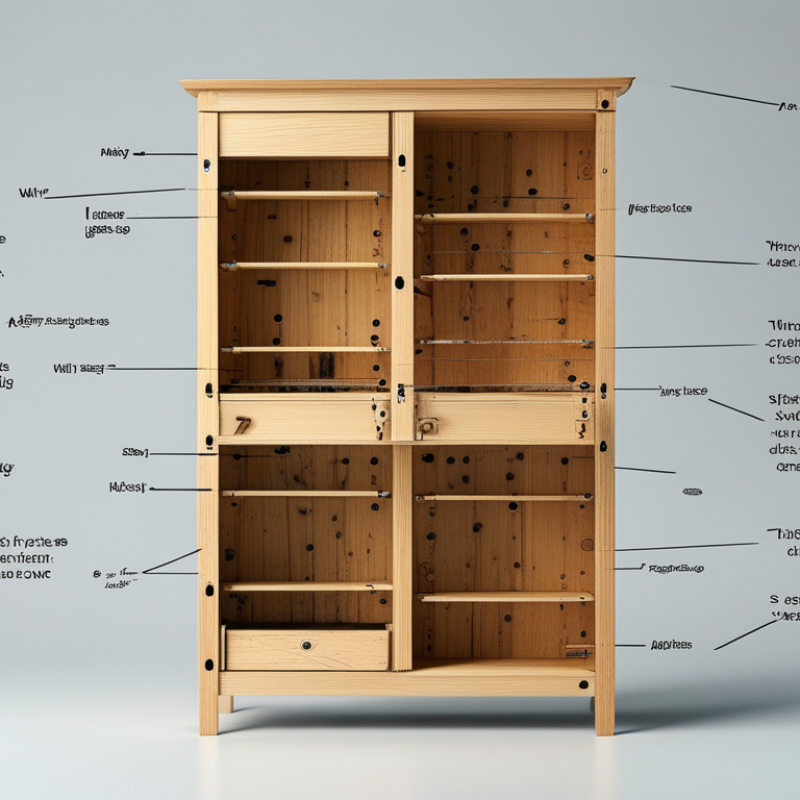
Understanding the Basics of Furniture Screws
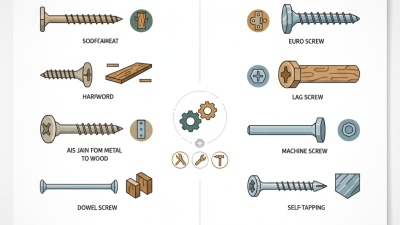
When it comes to furniture assembly, understanding furniture screws is essential. These screws come in various types and sizes, designed for specific applications. Wood screws, machine screws, and self-tapping screws are common varieties. Each serves a unique purpose, depending on the materials and furniture type involved. For instance, wood screws are ideal for connecting wooden parts.
Choosing the right furniture screw requires attention to detail. Consider the thickness of the material you are securing. If it's too thin, using a long screw can cause splitting or cracking. Always match the screw length to fit the thickness of the materials. Also, think about the load the furniture will carry. Heavier pieces might need stronger screws to maintain durability.
**Tips:** Check the screw's head type. Flat heads work well for flush finishes, while round heads lend a decorative touch. Additionally, look for screws with coatings for rust resistance. This precaution prolongs the life of your furniture. Remember, a mismatch in screw type can lead to future repairs or instability. Always take time to select carefully; it will save trouble later.
Furniture Screw Types and Usage Frequency
This chart displays the frequency of different types of furniture screws used in various applications. Understanding these frequencies can help you choose the right screw for your furniture projects.
Types of Furniture Screws and Their Applications
Furniture screws are essential components in assembly and construction. They come in various types, each serving different purposes. Wood screws are popular for their ease of use and strong grip in wooden materials. Machine screws are suited for metal connections, providing a secure fastening option for various hardware. Self-tapping screws can create their own threads, making them ideal for projects involving different materials.
When selecting the right screw, consider the material and weight of the furniture. For heavy items, use thicker screws for added strength. Ensure that the screw length is appropriate for the thickness of the material being joined.
Tips: Always pre-drill holes to prevent splitting wood. Using the right drill bit can save you from frustration. Check the screw head types to match your tools. You might find mixed results with different materials, so test before final assembly.
What is a Furniture Screw and How to Choose the Right One?
| Type of Furniture Screw |
Description |
Common Applications |
| Wood Screw |
A screw designed specifically to hold wood pieces together. |
Furniture assembly, cabinetry, and wooden structures. |
| Machine Screw |
A screw used with a nut or in a tapped hole for securing metal components. |
Metal furniture and appliances. |
| Self-Tapping Screw |
A screw that can tap its own hole in materials while being driven in. |
Plastic and metal furniture. |
| Cabinet Screw |
Specially designed screw for securing cabinet parts together. |
Cabinetry and shelving. |
| Deck Screw |
A weather-resistant screw for outdoor materials. |
Outdoor furniture and decking. |
How to Measure and Select the Right Screw Size
When selecting the right furniture screw, measuring is crucial. A report from the National Hardware Show found that over 65% of DIY enthusiasts struggle with screw size. Measuring the screw length and diameter is essential for a proper fit.
To measure screw size, start with a caliper or ruler. Measure the screw length from the underside of the head to the tip. For diameter, use a caliper to find the screw's thickness. It's important to match these measurements with the materials being used. A wood screw for softwood differs from one designed for hardwood.
Screw types vary too. Flat-head screws sit flush with surfaces, while round-head screws protrude. According to industry standards, choosing the correct head type enhances stability. Many projects require a mix of screw types and sizes, leading to confusion. A miscalculation can compromise your work. Therefore, take the time to evaluate your needs to avoid flaws in your furniture assembly.
Material Considerations for Longevity and Strength
When selecting furniture screws, material choice is crucial for durability. Steel is a popular option due to its strength. Stainless steel offers corrosion resistance, making it ideal for humid environments. A study by the American Society of Mechanical Engineers highlights that stainless steel screws retain their integrity over time, unlike cheaper alternatives. Plastic screws, while lighter, often lack the strength needed for heavy furniture.
Another important material is brass. It does not rust and has a classic look. However, it is softer than steel and may not withstand heavy loads. According to research from the Furniture Industry Research Association, furniture failures often stem from the use of inadequate fasteners. Many find that balancing cost and longevity requires careful consideration of screw materials.
Not every material will suit every application. Factors such as weight capacity and exposure to elements should influence your choice. Ignoring these can lead to issues like loosening over time or even structural failure. Achieving the right fit demands both research and experience. Engaging with industry professionals can also help in making informed decisions.
Tips for Proper Installation of Furniture Screws
When it comes to installing furniture screws, proper techniques can make all the difference. Research shows that nearly 30% of furniture assembly failures stem from incorrect screw installation. Begin by selecting the right length and type of screw for your material. For instance, softwoods require different screws compared to hardwoods. A general guideline is to choose a screw that is half the thickness of the material you’re fastening. This ensures maximum grip and stability.
When installing, always pre-drill holes to prevent wood splitting. Pre-drilling can improve screw placement accuracy and enhance the overall finish. Experts recommend using a drill bit that matches the screw shaft for precise fitting. A study by the Woodworking Industry Association indicates that this simple step can reduce assembly time by up to 20%.
Don't overlook the importance of proper torque during installation. Over-tightening can strip the screws and weaken the joint. Additionally, be mindful of alignment; improperly aligned screws can compromise the structural integrity of your furniture. Reflecting on these details is crucial for both durability and aesthetic appeal in your furniture assembly projects.