How to Choose the Right High Tensile Carriage Bolt for Your Needs?
Choosing the right High Tensile Carriage Bolt can significantly impact your project’s success. High tensile bolts are designed for strength and durability. They are an essential component in construction and machinery applications.
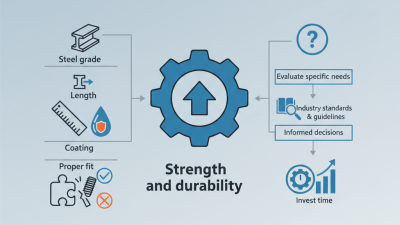
When selecting a High Tensile Carriage Bolt, consider both material and size. The bolt's grade determines its maximum load capacity. Steel grades, such as Grade 8 or 10.9, offer high strength for demanding scenarios. Additionally, think about the environment where the bolt will be used. Corrosion resistance might be necessary in damp or outdoor settings.
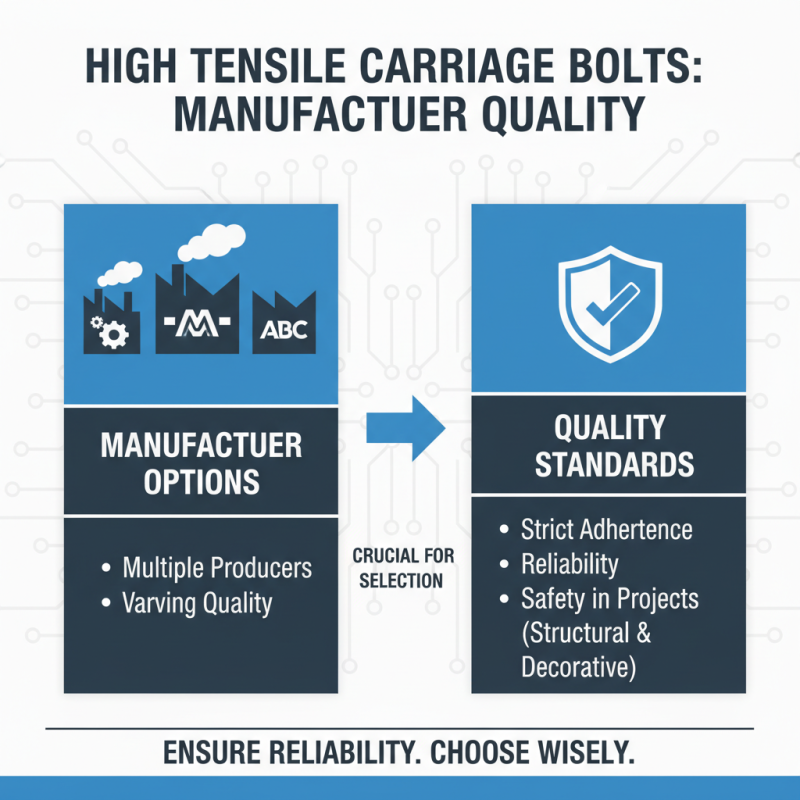
Many overlook the importance of proper specifications. Each project has unique requirements that demand thoughtful consideration. The wrong choice could lead to failures or increased costs. This decision affects not just projects, but also long-term reliability and safety. Engaging with knowledgeable suppliers can provide valuable insights and expertise.
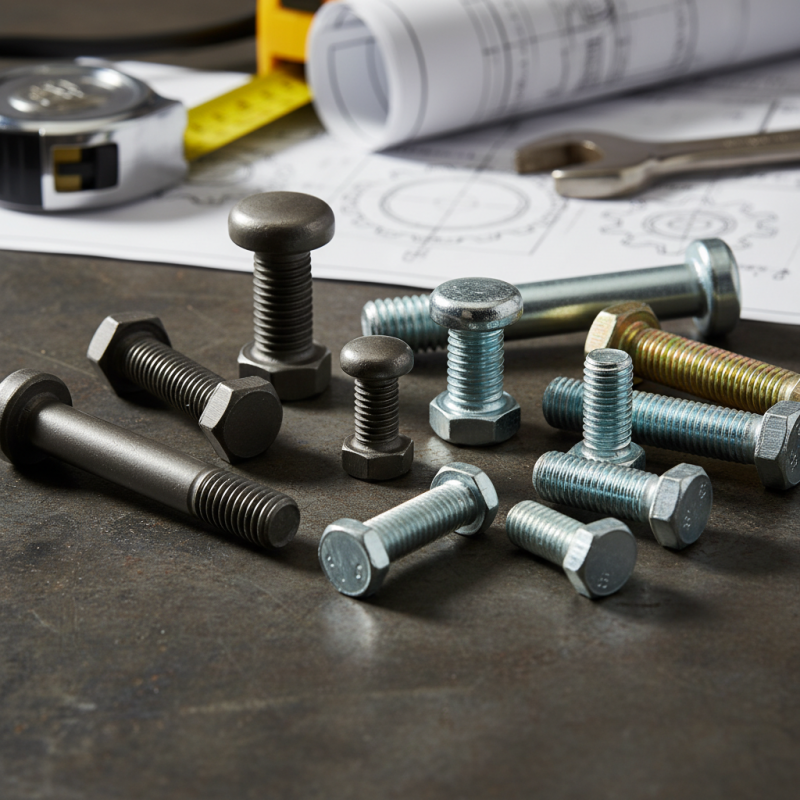
Understanding High Tensile Carriage Bolts: Material and Grade Considerations
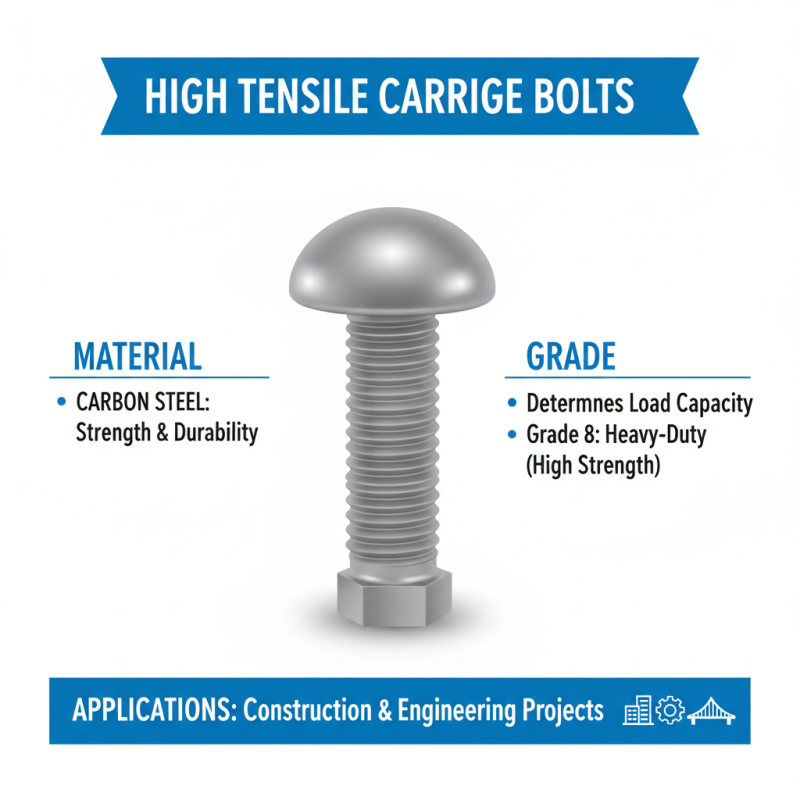
High tensile carriage bolts are essential for various construction and engineering projects. When selecting the right bolt, material and grade are critical factors. Most high tensile carriage bolts are made from carbon steel, which offers strength and durability. The specific grade of the bolt determines its load-bearing capacity and overall performance. For example, a grade 8 bolt is often used for heavy-duty applications due to its high tensile strength.
Choosing the appropriate grade means understanding your project’s demands. A higher grade typically provides better resilience under stress. However, it can also mean increased cost. It’s important to balance budget with requirements. Sometimes, lower grades may suffice for lighter applications. Additionally, consider environmental factors. Exposure to moisture may necessitate corrosion-resistant coatings or materials.
Reflect on your past experiences with different bolt types. Some may have held up well, while others didn’t meet expectations. This insight can guide your future choices. Research and consult experts if necessary. Reliable information can help ensure better decisions. Remember, the right high tensile carriage bolt can be the difference between a successful project and a costly failure.
Identifying Application Requirements for High Tensile Carriage Bolts
When selecting high tensile carriage bolts, understanding your application requirements is crucial. Different projects demand varying strength levels and material qualities. For instance, bolts with a tensile strength of over 1,200 MPa are commonly used for heavy-duty applications, such as construction and structural assemblies. Identifying the required strength can prevent potential failures and ensure safety.
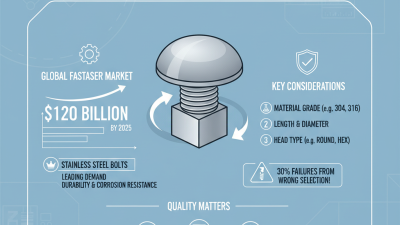
The environment also plays a significant role. In corrosive situations, choosing bolts made from stainless steel or those with protective coatings is essential. Studies indicate that over 30% of structural failures are attributed to improper material selection. Consider the bolt diameter too; a common range is from 10mm to 20mm, but specific needs may dictate sizes beyond this.
Lastly, it's important to reflect on your selection process. Are you accounting for dynamic loads? Many overlook this aspect. Dynamic loads can significantly impact performance, especially in machinery or mobile applications. An informed decision will save time and resources. Always weigh your options carefully. Rigid adherence to standards may lead to missed opportunities for innovation or cost savings.
Evaluating Size and Length Specifications for Optimal Fit
When selecting a high tensile carriage bolt, size and length are crucial factors. The American Society for Testing and Materials (ASTM) offers standard sizes ranging from 1/4" to 1" in diameter. Choosing the right diameter affects the bolt's ability to withstand tensile loads. For example, a 1/2" diameter bolt typically has a tensile strength of approximately 120,000 psi. It’s essential to match the bolt size to the application’s load requirements for safety and durability.
Length specification also plays a significant role. Bolts need to extend far enough beyond the material they are fastening. For metal-to-metal connections, at least one full thread must show. Reports suggest that many users underestimate the required length, leading to failures. For instance, a bolt that is too short may not engage effectively, compromising its load-bearing capacity. Measure carefully to ensure optimal fit and functionality in your projects.
A common mistake is not considering factors like thread type and bolt grade. Different applications require specific standards. While one might think a standard grade will suffice, heavy-duty tasks can demand higher grades for safety. Reliable data from industry studies reveal that poorly chosen bolts contribute to 20% of structural failures. Thus, understanding both size and length specifications is vital for achieving a secure and stable assembly.
Exploring Coating Options for Corrosion Resistance and Longevity
When selecting high tensile carriage bolts, the coating you choose is crucial for durability. Corrosion can significantly shorten the lifespan of the bolts. Various coating options provide different levels of protection. For example, hot-dip galvanization offers strong defense against rust, making it ideal for outdoor use. Meanwhile, zinc plating is lighter but less durable than galvanization.
It's essential to assess the environment where the bolts will be installed. If the area is exposed to moisture or harsh chemicals, opting for a tougher coating is advisable. Consider powder coating for additional protection in extreme conditions. This method provides a thick barrier, enhancing the bolt's longevity.
Tips: Always check coating specifications before purchase. Look for products that indicate resistance to different environmental factors. Moreover, consider the installation method, as it can influence the bolt's effectiveness. Remember, the right choice can prevent future replacements and save costs.