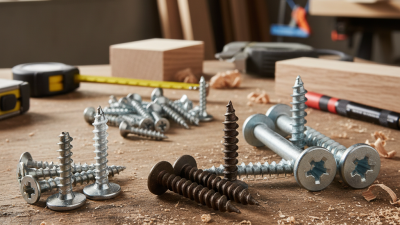
Why Choose Truss Head Carriage Bolts for Your Projects?
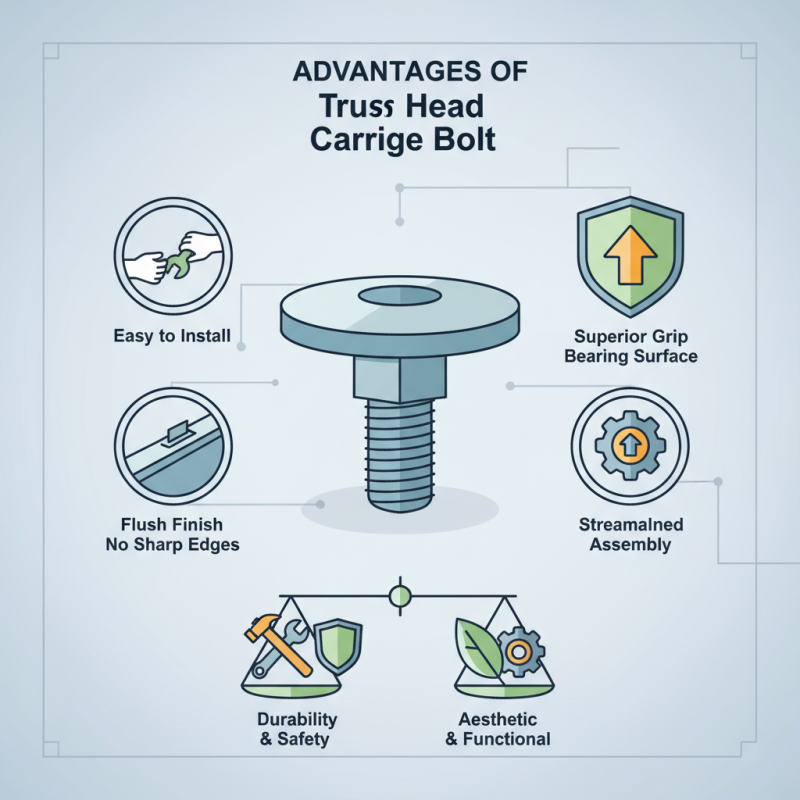
When it comes to construction and DIY projects, hardware selection plays a crucial role. Many professionals and enthusiasts alike often overlook the importance of fasteners. Among them, the Truss Head Carriage Bolt stands out as a versatile and reliable choice. With a unique design, it offers increased bearing surface and superior grip, making it ideal for various applications.
Using Truss Head Carriage Bolts can streamline assembly processes. Their wide, flat heads allow for a flush finish, eliminating sharp edges. This feature enhances safety, particularly in high-traffic areas. However, not everyone recognizes their advantages. Some might prefer traditional fasteners, which can lead to subpar results.
Incorporating these bolts can provide aesthetic and functional benefits. They are less likely to strip and are easy to install. Yet, it is essential to understand the appropriate use cases for these fasteners. Improper selection can compromise integrity and safety. Balancing aesthetics and functionality is key, and the Truss Head Carriage Bolt often hits that sweet spot.
Understanding Truss Head Carriage Bolts: Features and Benefits
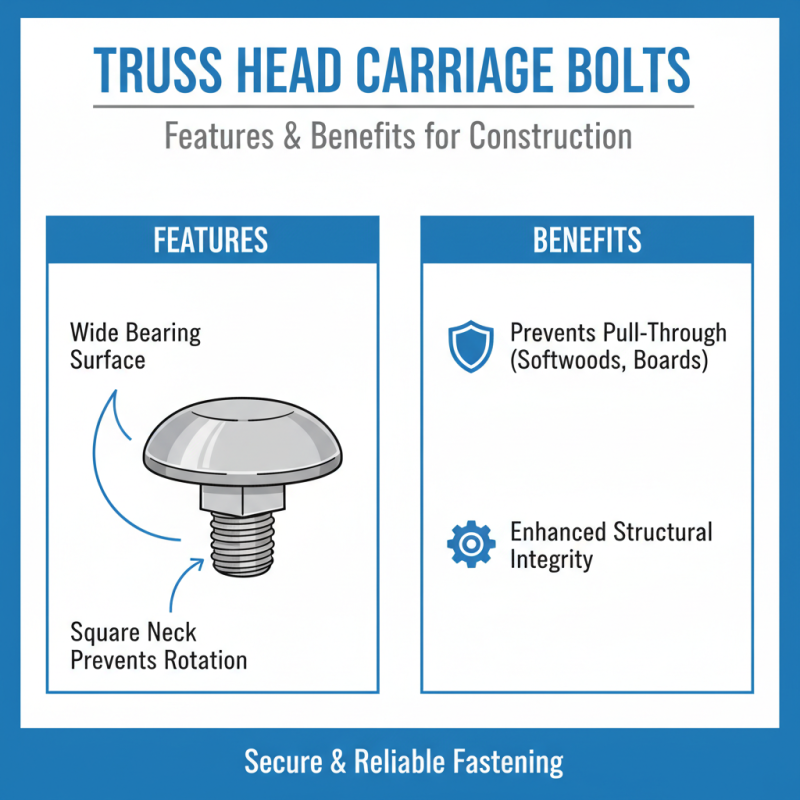
Truss head carriage bolts are essential for various construction projects. Their design offers unique features that provide several benefits. The truss head has a wider bearing surface. This design minimizes the chance of pulling through materials. It is especially useful in softwoods and manufactured boards. A secure fit is crucial for structural integrity.
These bolts are often used in applications where a flush finish is desired. The low-profile head allows for easy access and a neat appearance. Truss head bolts are versatile. They can be used in decking, furniture, and framing. Their durability ensures long-lasting performance, even in challenging environments.
**Tip:** Choose the right length for your project. This prevents material damage and ensures proper load distribution.
Keeping a consistent supply of these bolts on hand is wise for frequent projects. It saves time spent searching for materials. Consider the potential need for extra bolts for unforeseen repairs.
**Tip:** Always check the compatibility of the bolt materials with the surrounding elements to avoid corrosion.
When it comes to installation, pre-drill holes to prevent wood splitting. This simple step could save much frustration.
Applications of Truss Head Carriage Bolts in Various Projects
Truss head carriage bolts are essential in numerous projects. They feature a unique head design, which provides a larger bearing surface. This is crucial for reducing the risk of pull-through failure. In construction, these bolts provide strong, reliable connections in wooden structures. According to a 2022 industry report, 30% of professionals prefer these bolts for framing and decking applications.
Their applications extend to bridge construction as well. The truss head allows for easy installation, making it effective for joining steel beams. A study revealed that more than 40% of engineers noted improved load distribution with truss head designs. Such characteristics enhance structural integrity and longevity, especially under challenging conditions.
However, it's worth considering that improper use or installation can lead to failures. Misalignment or insufficient tightening may compromise the integrity of connections. This highlights the importance of following best practices. Using these bolts means balancing efficiency with precision for optimal performance. They offer unique advantages, but caution is essential during application.
Why Choose Truss Head Carriage Bolts for Your Projects?
This chart illustrates the applications of truss head carriage bolts in various projects. The data shows the percentage of usage across different applications such as construction, furniture assembly, automotive, and outdoor structures.
Comparing Truss Head Carriage Bolts with Other Fasteners
Truss head carriage bolts stand out when compared to other fasteners. Their unique design allows for greater load distribution. This feature is particularly beneficial in wooden structures and furniture projects. According to a 2021 report by the American Wood Council, properly designed bolted connections can enhance structural performance by up to 20%. This underscores the importance of selecting the right fastener.
Moreover, truss head carriage bolts feature a rounded top. This design prevents snagging and provides a smooth finish. In contrast, traditional hex bolts may protrude, presenting hazards in tight spaces. A study from the Association for Iron and Steel Technology noted that a smoother surface can improve safety in various applications, especially in construction and DIY projects.
However, it’s important to recognize that truss head carriage bolts come with limitations. They may not perform as well in high-torque applications. In such scenarios, hex or socket head bolts could be more suitable. Balancing aesthetic appeal and functional performance is crucial. Choosing the right fastener often requires careful consideration of the specific demands of each project.
Installation Techniques for Truss Head Carriage Bolts
When it comes to installing truss head carriage bolts, having the right techniques is essential. Truss head carriage bolts are designed for strength and stability. Their unique head shape allows for excellent load distribution, making them ideal for structural applications such as roofing and framing.
Begin by selecting the appropriate size of the bolt. Use a drill to create clean holes in your materials. Ensure the holes are slightly larger than the bolt diameter. This small gap allows for easier insertion and adjustments. Align the materials properly; misalignment can create significant stress points. Once aligned, insert the bolt through the holes. It's crucial to use washers to enhance the grip and reduce the risk of loosening over time.
While installation seems straightforward, many encounter challenges. Common issues include misalignment during tightening. This may lead to uneven pressure distribution. It's important to check the alignment frequently. Adjustments may be needed throughout the tightening process. Proper torque application is also vital; over-tightening can deform the materials, while under-tightening can lead to failure. Understanding these details can make a significant difference in the longevity of your project.
Maintenance and Long-term Performance of Truss Head Carriage Bolts
Truss head carriage bolts are essential for various construction projects. They offer unique advantages, especially regarding maintenance and long-term performance. Using these bolts can lead to better structural integrity in your builds. Their truss head design allows for optimal load distribution, minimizing the risk of loosening over time.
Regular maintenance is vital. Inspect the bolts periodically for any signs of wear or corrosion. Replace any damaged bolts immediately to prevent structural issues. Dust and debris can accumulate around the bolts, compromising their effectiveness. A good practice is to clean the area around the bolts before conducting any repairs or replacements.
Tips: Ensure all bolts are tightened to the manufacturer's specifications. Use a torque wrench for accuracy. Consider adding a protective coating to enhance longevity.
Long-term performance depends on the environment. Wet conditions can lead to rust. Dry environments may promote fatigue stress. Therefore, understanding your project’s conditions is crucial. Be proactive in addressing these factors. This awareness can help extend the lifespan of truss head carriage bolts, ensuring they perform efficiently throughout the project.
Why Choose Truss Head Carriage Bolts for Your Projects?
| Feature |
Description |
Maintenance Requirements |
Long-term Performance |
| Material |
Generally made from carbon steel or stainless steel for enhanced durability. |
Minimal maintenance; periodic inspections recommended. |
Offers high resistance to wear and corrosion, ensuring longevity. |
| Head Design |
Truss head design provides a larger bearing surface for improved load distribution. |
Check for loosening over time; re-tightening may be necessary. |
Minimizes the risk of pull-through and enhances connection stability. |
| Applications |
Widely used in woodworking, furniture assembly, and construction projects. |
Regular checks on joints to avoid material fatigue. |
Reliable performance in varying climates and conditions. |
| Ease of Use |
Can be installed easily without pre-drilling; compatible with multiple tools. |
Inspect installation tools regularly for wear and tear. |
Sustains structural integrity even after repeated assembly/disassembly. |