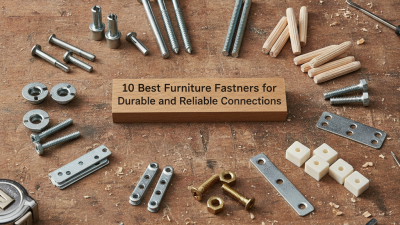
How to Choose the Best Furniture Fastener for Your Needs?
When it comes to assembling furniture, the choice of furniture fasteners can significantly impact durability and aesthetics. The global furniture industry is witnessing substantial growth, projected to reach USD 650 billion by 2027, according to a recent industry report. As furniture makers embrace innovation, the demand for reliable fasteners remains crucial. However, many consumers often overlook this essential component.
Choosing the right furniture fastener involves understanding various types. From screws and bolts to dowels and brackets, each fastener serves a unique purpose. A survey from the American Society of Furniture Designers revealed that 70% of furniture failures occur due to inadequate fastening. This statistic emphasizes the importance of selecting the right fastener for each application.
Moreover, sustainability plays an increasingly important role in the decision-making process. Eco-friendly materials are gaining traction among manufacturers and consumers alike. Yet, the eco-friendliness of a fastener does not always guarantee performance. It becomes essential to evaluate materials and designs carefully. The interplay between functionality and aesthetics can lead to frustrating outcomes if not adequately addressed.
Understanding the Different Types of Furniture Fasteners Available
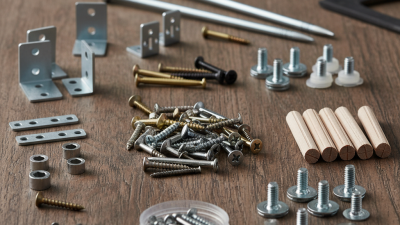
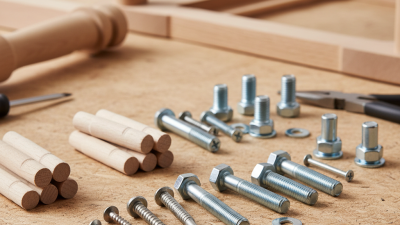
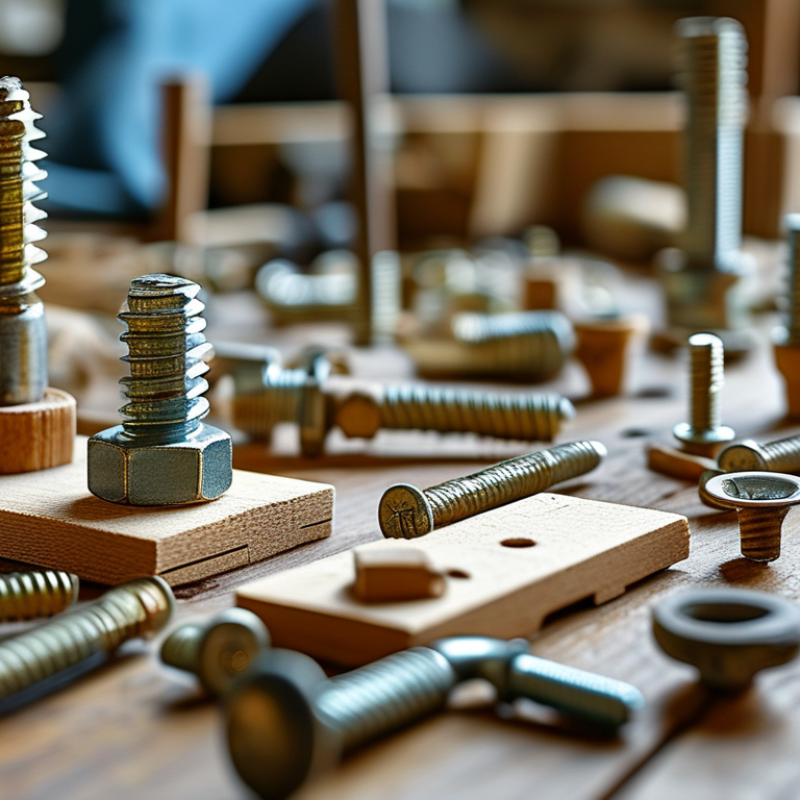
Choosing the right furniture fastener can significantly impact the durability and stability of your furniture. A variety of fasteners are available, including screws, dowels, brackets, and more. Each type serves a unique purpose and is ideal for different construction techniques.
Screws are commonly used for their strength and ease of use. They can be removed and replaced easily, making repairs straightforward. On the other hand, dowels offer a more concealed and aesthetic option for joining pieces together. They provide strong connections when used correctly but require more precision in drilling.
Tips: When selecting fasteners, consider the material of your furniture. Wood, metal, and composite materials each have specific requirements. Test different fasteners on scrap pieces to gauge their effectiveness. Reflect on the environment too; humidity can affect wood expansion, altering fastener performance.
Brackets are an excellent choice for reinforcing corners and ensuring stability in larger pieces. However, they can be cumbersome if not installed properly. Seek advice from experts or conduct thorough research to avoid common pitfalls. The right fastener not only aids in assembly but also contributes to the overall longevity of your furniture.
Evaluating Material Compatibility for Your Furniture Fastener Selection
When selecting a furniture fastener, material compatibility is crucial. Different fasteners serve distinct purposes and work best with certain materials. For example, wood screws are ideal for softwood, while metal brackets excel with heavier materials. According to a recent industry report, around 30% of furniture failures stem from using inappropriate fasteners, underlining the importance of this decision.
Choosing the right fastener also involves understanding environmental factors. Humidity and temperature fluctuations can cause wood to expand or contract. A report from the Hardwood Manufacturers Association reveals that improper fastening can lead to structural weaknesses over time. Materials like stainless steel fasteners offer excellent corrosion resistance, making them suitable for outdoor furniture. Yet, some might overlook their slightly higher cost.
Moreover, every project presents unique challenges. It’s essential to evaluate each component, including load-bearing needs and the types of finishes involved. For instance, using the wrong fastener may strip the material or create unsightly damage. Taking time to assess compatibility will save future headaches and improve furniture longevity.
Determining the Load-Bearing Capacity Required for Your Projects
When selecting the right furniture fastener, the load-bearing capacity must be a priority.
Accurately determining this capacity ensures that your projects are not only functional but also safe.
A well-constructed chair, for example, should support at least 250 pounds, according to studies by the
American Furniture Manufacturers Association. This figure accounts for various weights and usage scenarios,
making it a reliable benchmark.
Fasteners, such as screws and brackets, play a crucial role.
For instance, wood screws generally provide 75% of their shear strength when embedded in hardwood.
Understanding the type of material you are using is vital. For plywood, the load-bearing capacity can
differ significantly compared to solid wood. Hence, using a fastener that matches the material's properties
will enhance durability.
Moreover, many offer guidelines for fastener selection.
Yet, users often overlook these details. A common mistake includes using under-rated fasteners, leading to
failure or accidents. Regularly reviewing your options and understanding technical data will ensure that
your projects withstand both time and weight demands.
Identifying the Right Fastener Size and Length for Your Needs
Choosing the right fastener size and length is crucial for any furniture project. When selecting a fastener, consider the thickness of the materials you're working with. This measurement directly impacts the length of the fastener. A fastener that is too short may not hold everything together securely. On the other hand, one that is too long can damage the materials or protrude unsightly.
Additionally, think about the fastener’s diameter. A wider diameter provides more strength but may not fit properly in tighter spaces. Measure the distance between surfaces carefully. This helps ensure you choose a fastener that won't compromise the integrity of your furniture. It's also important to reflect on the weight the fastener will need to support. This can influence both size and type.
While these guidelines help you make informed decisions, real-life applications can reveal the need for adjustments. Sometimes, unexpected issues arise during assembly. Fasteners that seem perfect may not perform as anticipated. Always be prepared to reassess your choices. This approach will enhance your project’s overall quality and durability.
Considering Aesthetic Factors in Furniture Fastener Design and Finish
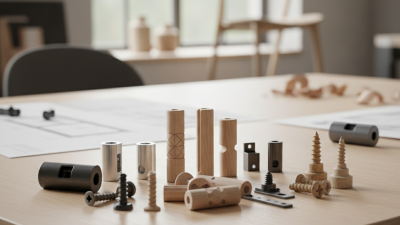
When designing furniture, aesthetic factors play a crucial role in choosing fasteners. The right fasteners not only ensure structural integrity but also enhance the overall look. According to a report by the Furniture Industry Research Association, consumers are increasingly drawn to products that blend functionality with aesthetics. This trend emphasizes the importance of selecting fasteners that complement the design style of the furniture, whether modern, traditional, or rustic.
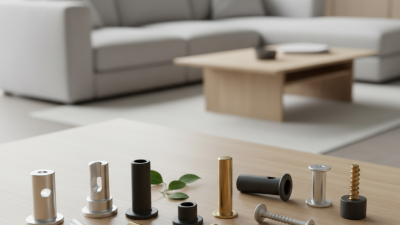
Consider the finish of the fasteners. Options range from polished metals to coated finishes that match specific color palettes. A study highlighted that 78% of consumers prefer fasteners that seamlessly integrate with the furniture's surface. This highlights the need for designers to carefully consider finish choices during the design phase. However, achieving a balance between style and strength can be challenging. Some fasteners that look appealing may not provide adequate support over time.
Additionally, there is a growing trend towards eco-friendly finishes. Green certifications are becoming standard, with around 45% of consumers willing to pay more for sustainable products. This pushes manufacturers to innovate constantly. However, there can be a trade-off between aesthetics and durability. While the desire for visually appealing fasteners is valid, it is crucial not to overlook their functional role in furniture assembly.